* **Inspect the oil cooler:** A clogged or damaged cooler reduces cooling efficiency.
* **Verify the oil type:** Using the wrong oil can increase friction and operating temperature.
* **Assess operating conditions:** Prolonged heavy loads or steep inclines generate more heat.
Diagnostic Deep-Dive
High operating temperatures are detrimental to ZF transmissions. Excessive heat accelerates oil degradation, reduces lubrication effectiveness, and can lead to premature failure of seals, bearings, and clutches. Understanding the causes and implementing preventative measures is key to extending transmission life.
| Component | Effect of High Temperature | Acceptable Range |
|---|---|---|
| Transmission Oil | Viscosity breakdown, oxidation, reduced lubrication | Typically 80-100°C (176-212°F), varies by model |
| Seals & O-rings | Hardening, cracking, loss of elasticity leading to leaks | Material dependent, but generally <120°C (248°F) |
| Clutch Packs | Glazing, slipping, reduced friction coefficient | Varies by clutch material and design |
| Bearings | Reduced lifespan, increased wear, potential seizure | Temperature limits specified by bearing manufacturer |
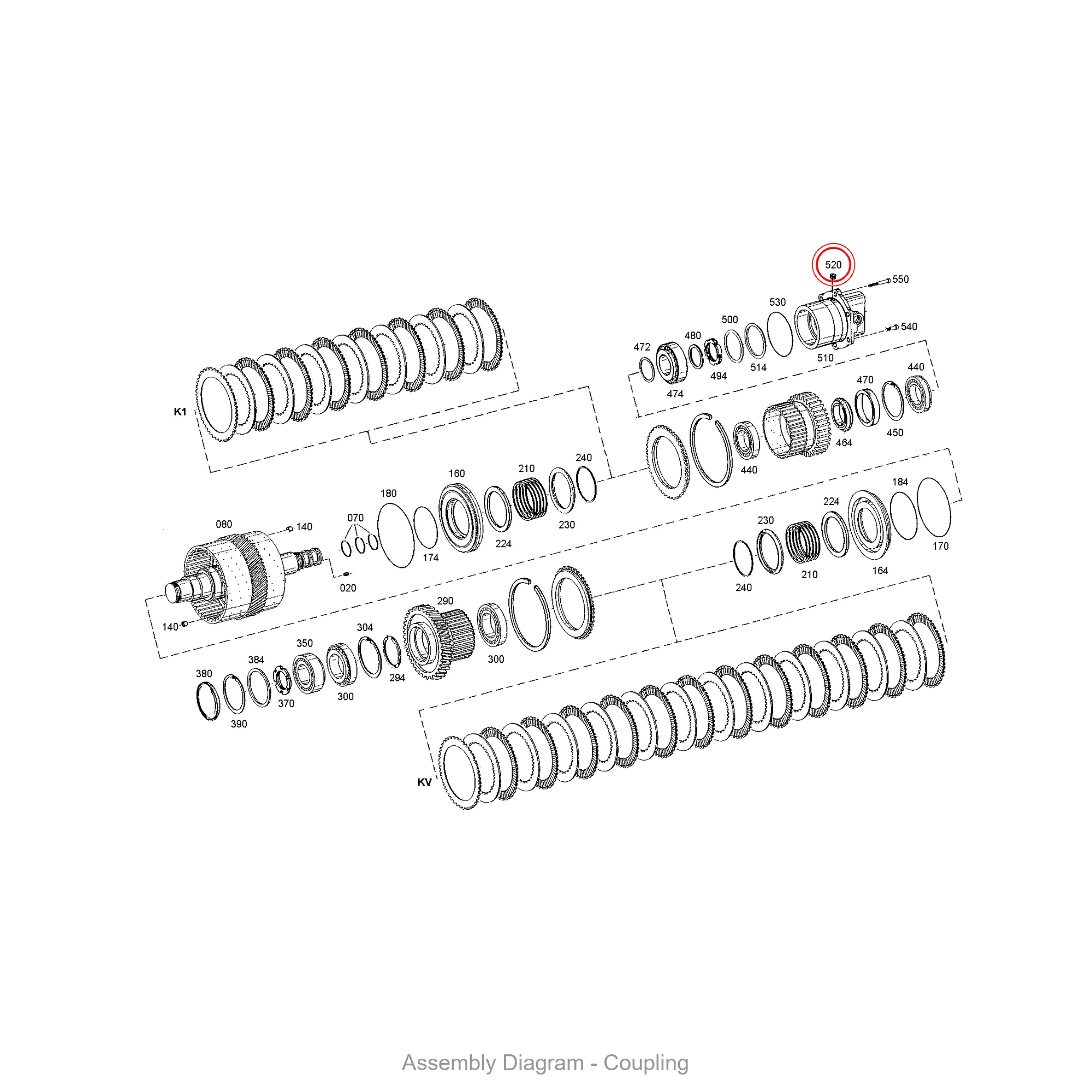
STEP-BY-STEP Guide to Reducing ZF Transmission Temperature
- Check the Transmission Oil Level: Use the dipstick or level plug to ensure the oil is within the specified range. Low oil levels cause increased friction and heat. Refer to your ZF transmission’s service manual for the correct procedure.
- Inspect the Oil Cooler: Examine the oil cooler for any signs of damage, blockage, or leaks. Clean any debris obstructing airflow. A clogged cooler significantly reduces cooling efficiency. The 4 WG 190 and 6 WG 210 models are particularly sensitive to cooler issues; consider a ZF replacement part if needed.
- Verify the Transmission Oil Type: Ensure you’re using the correct oil specified for your ZF transmission model. Using the wrong oil can lead to excessive friction and heat buildup. Refer to your ZF manual for oil specifications.
- Inspect the Cooling Fan and Radiator: Make sure the cooling fan is functioning correctly and the radiator is clean and free of debris. Proper airflow is essential for effective cooling.
- Check for Internal Leaks: Internal leaks can cause pressure loss and increased heat generation. Look for signs of leaks around seals and gaskets. Replacing worn seals and request an RFQ review of O-rings is vital.
- Monitor Operating Conditions: Avoid prolonged operation under heavy loads or on steep inclines, as these conditions generate significant heat. If unavoidable, use lower gears to reduce strain on the transmission.
- Check the Breather Valve: A clogged breather valve can cause pressure buildup within the transmission, leading to increased temperatures and potential leaks. Ensure the breather valve (like BREATHER) is clean and functioning correctly.
- Consider an Auxiliary Cooler: For applications that consistently operate under heavy loads or in high ambient temperatures, consider installing an auxiliary oil cooler to enhance cooling capacity.
- Flush and Replace the Transmission Oil: Over time, transmission oil degrades and loses its ability to effectively lubricate and cool. Follow the recommended service intervals for flushing and replacing the oil. Always use ZF parts from partszf.com for optimal performance.
Related Parts
| Part Number | Name | Application | Notes |
|---|---|---|---|
| 4657024156 | 4 WG 190 | Transmission Assembly | Common in wheel loaders |
| 4108007101 | PK 7500 | Planetary Gearbox | Used in various applications |
| 0636011192 | HEXAGON SCREW | General Fastener | Various locations |
| 0730062680 | BUSH | Bearing Support | Various locations |
| 0501.321.197 | O-RING | Sealing | Hydraulic connections |
| 6009092227 | CONTROL UNIT | Transmission Control | Electronic control |
| 4644338008 | ANGLE PIECE | Hydraulic Fitting | Oil cooler lines |
| 4699372147 | TILLER BAR CONNECTION | Steering linkage | Linkage component |
| 0732612001 | BREATHER | Ventilation | Transmission housing |
| 0730063291 | RING | Sealing | Various locations |
| 4657056083 | 6 WG 210 | Transmission Assembly | Larger wheel loaders |
| 0631359001 | SLOTTED PLUG | Oil Level Check | Transmission housing |
| 4646055023 | 5 WG 260 | Transmission Assembly | Heavy-duty applications |
| 4646103439 | OUTPUT | Output Shaft | Power transfer |
| 0735298205 | NEEDLE BEARING | Bearing | Gearbox |
🏭 Tianjin XiaoHang Construction Machinery Co., Ltd.
Professional ZF transmission parts supplier · Genuine OEM & aftermarket · Global shipping
💬 Request a quote — we reply within 24 hours.
How To Reduce ZF Transmission Temperature RFQ and Lookup Context
This guide is maintained as a ZF transmission parts lookup and RFQ support page. Use it to organize symptoms, part-number evidence, diagram context, or replacement questions before confirming the final application.
Recommended Confirmation Steps
- Record the ZF material number, OEM reference, or visible marking from the removed part.
- Match the request with transmission family, symptom context, or diagram position when available.
- Submit photos or partial numbers when the replacement relationship is not fully confirmed.
Related PartsZF Hubs
- ZF Transmission Parts Hub
- ZF vs Liugong Cross Reference Guide
- ZF BP230 Parts List Overview
- ZF Oil Cooler Failure Symptoms Guide
This page supports lookup and procurement review. It does not make an authorization, inventory, or universal compatibility claim.